Chimney Video Inspection: See Inside Your NYC Chimney Before Problems Start
How Chimney Video Inspection Works — And What It Reveals
Cracked clay tile flue liners
Creosote in three stages
Bird and animal nests
Hidden chimney fire damage
Deteriorating mortar joints and spalling bricks
Our Process
Our Chimney Video Inspection Process
- Step 1. External assessmentBefore we open any equipment, our technician inspects the chimney from outside — the crown, cap, visible masonry, and flashing. This gives us a baseline understanding of the chimney's condition and helps us anticipate what the camera may find inside.
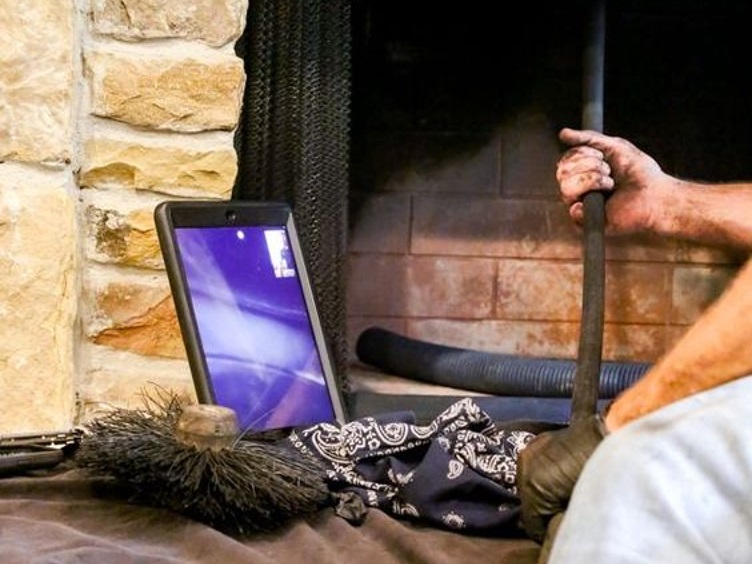
- Step 2. Interior preparationWe lay protective drop cloths around the fireplace area. The damper is opened and the firebox is checked for loose debris or tile fragments — an early indicator of liner deterioration.
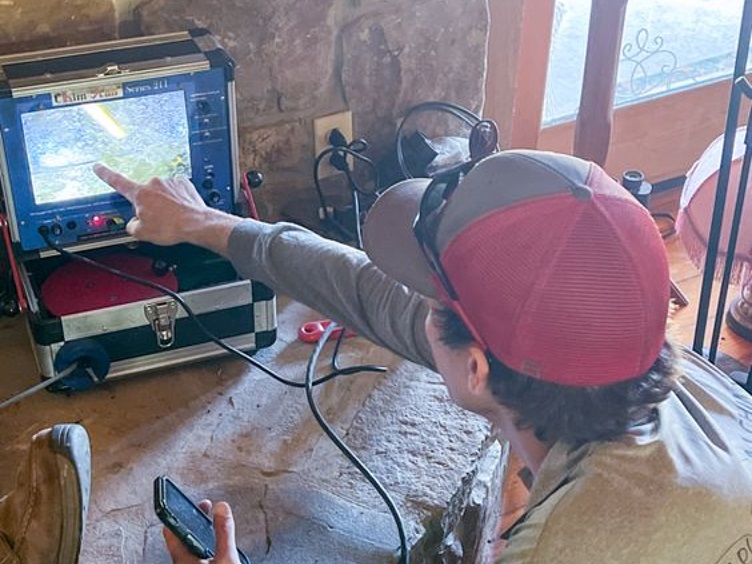
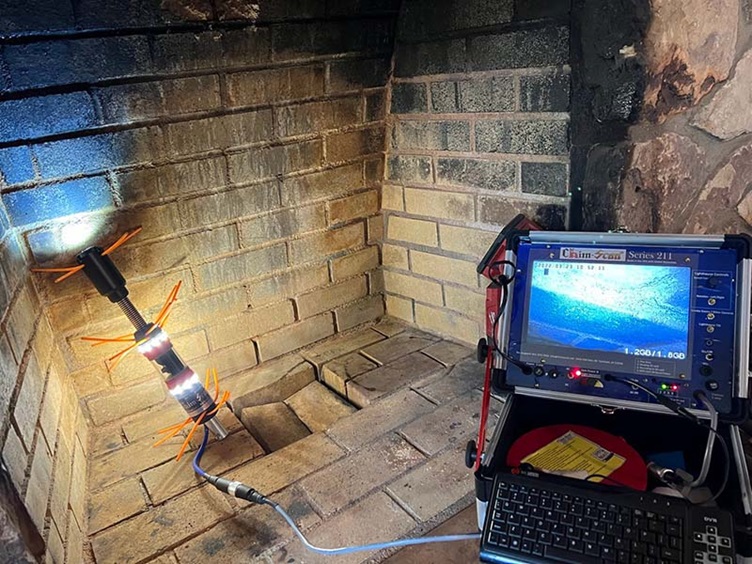
- Step 3. Camera insertionWe feed the Wöhler VIS push-camera into the flue from the fireplace opening. The HD camera head is 1.5 inches in diameter — small enough to navigate standard residential flues and offsets. As it travels upward, you watch the live feed on our 7-inch color monitor alongside our technician. We explain what the camera shows at every level.
- Step 4. Full-length scanThe camera travels the entire length of the flue — from the smoke chamber above the damper to the chimney cap at the top. We examine every clay tile joint, every section of liner, and every change in the flue direction. The built-in distance counter tells us the exact depth of any finding.
- Step 5. DocumentationEvery inspection is recorded to SD card. You receive the video file and a written report that includes: location and depth of each finding, still images of problem areas, assessment of overall chimney condition, and recommendations for cleaning, repair, or further inspection.
6 Compelling Reasons to Book a Chimney Video Inspection
NFPA 211 Inspection Levels
- Chimney Inspection Levels: What NFPA 211 RequiresThe National Fire Protection Association Standard 211 classifies chimney inspections into three levels. Each has a specific scope and is required under different circumstances. Understanding these levels helps you determine the right inspection for your situation.
- Level 1 — Annual Maintenance InspectionA visual check of accessible chimney components performed during routine cleaning. The technician examines the firebox, damper, flue opening, and visible portions of the exterior. Appropriate when the chimney has been regularly maintained and no changes have been made to the heating system. Typical cost in NYC: $100 to $250.
- Level 2 — Video Camera InspectionIncludes everything in Level 1 plus an internal video scan of the entire flue using a push-camera. Also includes inspection of accessible areas of the attic, basement, and crawl spaces around the chimney. Required by NFPA 211 upon the sale or transfer of property, after a chimney fire or severe weather event, or when changing fuel type or installing a new appliance. This is the level we perform most frequently.
- Level 3 — Invasive Structural InspectionIncludes everything in Level 1 and 2, plus removal of chimney components or building materials (drywall, siding, chimney structure) to access concealed sections. Recommended only when a Level 2 inspection reveals suspected hidden damage that cannot be evaluated without physical access.
For most NYC homeowners, an annual Level 1 inspection combined with a Level 2 video scan every 2 to 3 years provides comprehensive protection. If you are buying or selling property, a Level 2 inspection is the NFPA-recommended standard.
Buying or Selling a NYC Home? Your Chimney Needs Its Own Inspection
Services We Offer
Residential Maintenance
Commercial HVAC System Care
Why Choose Us
You See Everything We See
Professional Equipment, Not Consumer Tools
NFPA-Compliant Reports
NYC Building Knowledge
Frequently Asked Questions
01
What is a chimney video inspection?
A chimney video inspection is a diagnostic procedure that uses a professional push-camera to examine the full interior of a chimney flue. The camera travels from the firebox to the chimney cap, recording HD video of the liner, mortar joints, and any obstructions. It is the only way to see inside a chimney without opening walls or removing components.
02
How much does a chimney video inspection cost in NYC?
A Level 2 chimney video inspection for a single-flue chimney in NYC typically costs between $200 and $500. Multi-flue chimneys and chimneys with difficult roof access cost more. The price includes camera inspection, real-time review, and a written report with video documentation.
03
How often should I have a chimney video inspection?
NFPA recommends a Level 1 visual inspection annually and a Level 2 video inspection when buying or selling property, after a chimney fire, storm, or any change to the heating system. If you use a wood-burning fireplace regularly, a video inspection every 2 to 3 years catches hidden problems between annual cleanings.
04
What can a chimney camera see that a regular inspection cannot?
A camera reveals cracked flue liner tiles, Stage 2 and Stage 3 creosote accumulation, hidden chimney fire damage, deteriorating mortar joints, animal nests deep in the flue, and structural separations between flue sections. A standard visual inspection from the fireplace opening or rooftop can only see the top and bottom few feet — the middle section, where most damage occurs, is invisible without a camera.
05
Do I need a chimney inspection before buying a house?
Yes. NFPA 211 requires a Level 2 chimney inspection upon property transfer. Standard home inspectors evaluate the property as a whole but cannot assess the flue interior — they do not use cameras and do not enter the chimney. In NYC brownstones and pre-war buildings, hidden chimney damage is common and often becomes the buyer’s problem after closing. A video inspection before signing gives you documented evidence of the chimney’s actual condition — for negotiation, for insurance, and for your own decision.
06
What are Level 1, Level 2, and Level 3 chimney inspections?
Level 1 is a basic visual inspection during annual cleaning — no camera needed. Level 2 adds a video camera scan of the entire flue interior and is required during property sales or after incidents. Level 3 is an invasive inspection that may require removing walls or chimney components — only performed when serious hidden structural damage is suspected. These levels are defined by the National Fire Protection Association in NFPA Standard 211.
07
Can a chimney fire happen without me knowing?
Yes. Slow-burning chimney fires can occur inside the flue without visible flames, loud sounds, or smoke in the house. They leave specific damage patterns: cracked tiles with a honeycomb appearance, warped metal components, and heat-discolored mortar. Our video camera identifies these signs even if the fire happened years ago. An estimated 22,300 chimney fires occur annually in the United States.
08
What equipment do you use for chimney video inspection?
We use a Wöhler VIS professional push-camera system. It features a 1.5-inch HD camera head with 360-degree pan and 180-degree tilt, 100 feet of push-rod cable, built-in LED illumination, an electronic distance counter, and a 7-inch TFT color monitor. Video and still images are recorded to an SD card and provided to the client after inspection.
09
Why does my chimney smell bad in summer?
Summer heat and humidity cause residual creosote and soot inside the flue to release odor. The warm air outside creates a downdraft that pushes the smell into your home through the fireplace opening. A chimney video inspection identifies how much buildup is present. The solution is typically chimney cleaning combined with chimney cap installation to block rain and reduce moisture in the flue.
10
Is a chimney video inspection messy?
No. We lay protective drop cloths around the fireplace area before any work begins. The camera is inserted through the fireplace opening — there is no drilling, no cutting, and no dust. A video inspection is completely non-invasive. The entire process takes 30 to 60 minutes for a single-flue chimney.